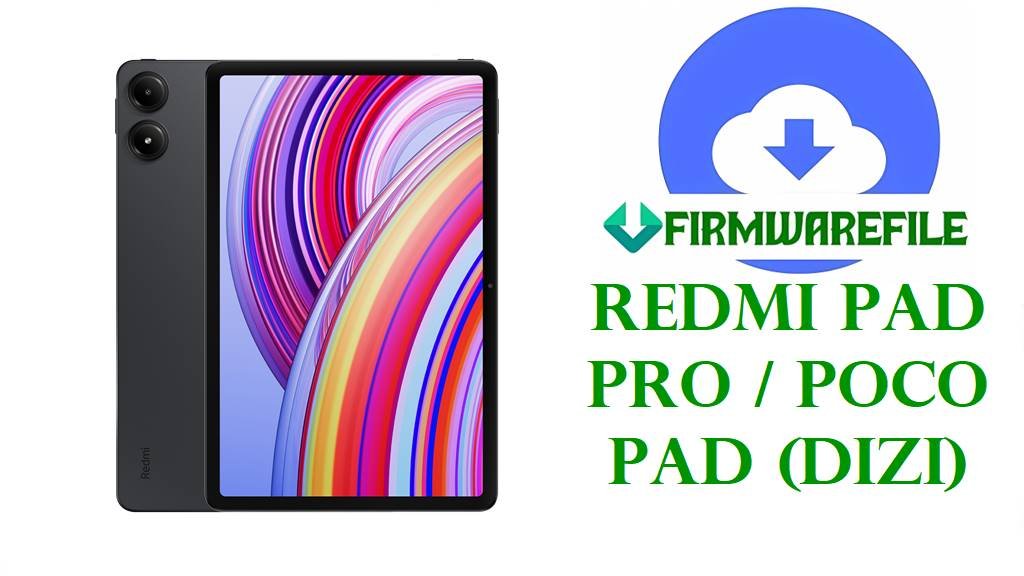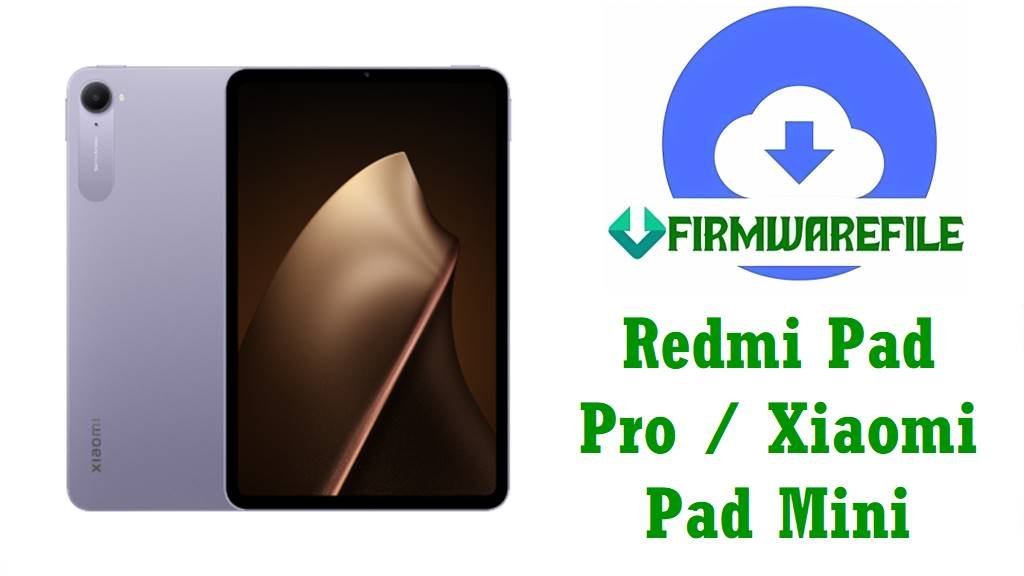
Fix Redmi Pad Pro / Xiaomi Pad Mini Bootloop, Dead Screen & Software Issues with Official Firmware
The Redmi Pad Pro (also known as Xiaomi Pad Mini in some regions, codename: turner) is a premium 12.1-inch tablet featuring a Qualcomm Snapdragon 7s Gen 2 processor, stunning 2560 × 1600 pixel AMOLED/IPS LCD display with 120Hz refresh rate, 10,000 mAh battery with 33W fast charging, quad stereo speakers, and stylus support. The device ships with HyperOS 2.0 based on Android 15 (with newer variants supporting Android 16), offering seamless integration with the Xiaomi ecosystem, enhanced multitasking, and productivity-focused features ideal for work and entertainment.
Despite its premium specifications, users have reported critical software issues including bootloops with continuous restarts on the boot screen, dead screen conditions requiring forced recovery, HyperOS update failures causing system corruption, app force-closes and system crashes, unexpected random reboots, and complete system freezes.
The official firmware packages below are your definitive solution for these software failures. These verified factory HyperOS images repair corrupted system partitions, resolve update conflicts, fix bootloader issues, and completely restore your tablet to its original state. Supporting multiple regional variants (China WAOCNXM/VAOCNXM/VAOTWXM, Global VAOMIXM), these files are essential for unbricking devices when standard recovery attempts fail.
🔴 CRITICAL WARNING: Region Variants ≠ Interchangeable
This firmware collection includes three distinct regional variants: China (WAOCNXM – HyperOS 3.0 / Android 16), Global (VAOMIXM – HyperOS 2.0 / Android 15), and Taiwan (VAOTWXM – HyperOS 2.0 / Android 15). Flashing the wrong regional firmware causes system incompatibility: China ROM has no Google Play Services and uses Chinese app ecosystem exclusively, while Global/Taiwan ROMs include full Google services. Flashing China ROM on a Global tablet or vice versa causes broken services, missing apps, language packs, and disabled international features. Only use firmware matching your exact regional variant. Additionally, this process permanently erases all personal data—documents, photos, videos, apps, and settings will be completely wiped. Ensure your tablet battery is charged above 60% at minimum—power loss during flashing causes irreversible hardware corruption and permanent device bricking.
Redmi Pad Pro / Xiaomi Pad Mini (turner) Firmware Details
| Device Names | Redmi Pad Pro, Xiaomi Pad Mini (codename: turner) |
|---|---|
| Operating System | HyperOS 3.0 (China) based on Android 16; HyperOS 2.0 (Global/Taiwan) based on Android 15 |
| Processor | Qualcomm Snapdragon 7s Gen 2 (4nm), Octa-core (4× 2.4 GHz Cortex-A78 + 4× 1.95 GHz Cortex-A55), Adreno 710 GPU |
| Display | 12.1-inch IPS LCD, 2560 × 1600 pixels (249 ppi), 120Hz refresh rate, Dolby Vision, 600 nits peak brightness, Corning Gorilla Glass 3 |
| Storage & Memory | 128GB / 256GB internal (UFS 2.2), 6GB / 8GB LPDDR4X RAM, microSDXC expandable up to 1.5TB |
| Battery | 10,000 mAh non-removable Li-Po battery, 33W wired fast charging (PD3.0 / QC3+), no wireless charging |
| Connectivity | Wi-Fi 6E (802.11ax), Bluetooth 5.2, GPS, USB Type-C 2.0 (select models with optional 5G variant) |
| Cameras | Rear: 8MP f/2.0 with LED flash, 1080p@30fps; Front: 8MP f/2.3, 1080p@30fps |
| Audio | Quad stereo speakers, 3.5mm headphone jack, Hi-Res Audio (24-bit/192kHz), Dolby Atmos support |
| Main Issues Reported | Persistent bootloop with continuous screen restart, dead screen requiring forced recovery, HyperOS update failures causing system corruption, app force-closes and system crashes, unexpected random reboots during use, complete system freezes lasting 30+ seconds, touchscreen responsiveness issues, battery drain after updates |
| Flash Methods Supported | Fastboot flashing (safest for bootloop recovery), Recovery mode flashing, Mi Flash tool |
| Use Cases for Files | Recover from hard bootloops, fix dead screen conditions, repair system after failed updates, resolve system corruption from root/custom ROM attempts, fix network connectivity issues, completely reset to factory settings, downgrade to stable firmware if newer builds cause issues |
Download Official Firmware for Redmi Pad Pro / Xiaomi Pad Mini (turner)
| Filename | Device | Region | HyperOS | Android | Build Code | Release Date | Size | Special Notes | Download |
|---|---|---|---|---|---|---|---|---|---|
| turner_images_OS3.0.4.0.WAOCNXM_20251105.0000.00_16.0_cn_5ab098c87d.tgz | Redmi Pad Pro / Xiaomi Pad Mini | China (CNX) | HyperOS 3.0.4.0 | Android 16.0 | WAOCNXM | 2025-11-05 | 7.95GB | ⚠️ LATEST China regional build (November 5, 2025). Latest HyperOS 3.0 with Android 16. Includes newest security patches and performance optimizations. CHINA REGION ONLY – No Google Play Services, uses Chinese app ecosystem exclusively (Mi App Store). | Download (Xiaomi Server) |
| turner_global_images_OS2.0.206.0.VAOMIXM_20251016.0000.00_15.0_global_92aeecfbb0.tgz | Redmi Pad Pro / Xiaomi Pad Mini | Global / International | HyperOS 2.0.206.0 | Android 15.0 | VAOMIXM | 2025-10-16 | 6.93GB | Latest Global regional build. HyperOS 2.0 with Android 15. Includes Google Play Services, Google Assistant, and full international features. For non-Chinese regions (EU, US, Asia-Pacific, etc.). | Download (Xiaomi Server) |
| turner_tw_global_images_OS2.0.204.0.VAOTWXM_20251019.0000.00_15.0_tw_708f321bc0.tgz | Redmi Pad Pro / Xiaomi Pad Mini | Taiwan | HyperOS 2.0.204.0 | Android 15.0 | VAOTWXM | 2025-10-19 | 6.23GB | Taiwan regional variant. HyperOS 2.0 with Android 15. Optimized for Taiwan market with localized features, language support, and carrier bands. | Download (Xiaomi Server) |
Regional Selection Guide: Verify your tablet’s region before flashing. Go to Settings → About Tablet → Build Number and check the suffix. If it contains “WAOCNXM”, you have the China variant—use the China HyperOS 3.0 build. If it contains “VAOMIXM”, you have the Global variant—use the Global HyperOS 2.0 build. If it contains “VAOTWXM”, you have the Taiwan variant—use the Taiwan HyperOS 2.0 build. Flashing the wrong regional variant causes broken services and system incompatibility.
⚙️ Before You Begin
- 💾 Backup All Data: Flashing will permanently erase all files on your tablet, including documents, photos, videos, apps, and personal data. Use cloud backup (Mi Cloud, Google Drive, OneDrive) or USB file transfer before proceeding.
- 🔋 Charge Battery to 60%+: Ensure your Redmi Pad Pro / Xiaomi Pad Mini battery is charged to at least 60% or higher. Battery depletion during flashing causes permanent motherboard corruption and irreversible hardware damage.
- 💻 Use Windows PC: Connect via a Windows 10 or 11 computer with stable USB 3.0+ connectivity. Avoid USB hubs—use direct USB-C ports on the computer for reliable data transfer.
- 🔌 Quality USB-C Cable: Use the original Xiaomi USB-C cable or a certified high-quality replacement. Defective cables interrupt flashing, causing instant device bricking.
- 🧩 Install USB Drivers: Install Xiaomi/Qualcomm USB drivers on your PC to enable proper tablet detection and communication. Without drivers, your PC won’t recognize the device.
- 📥 Download Required Tools: Download Mi Flash Tool (official Xiaomi flashing software) or use fastboot/ADB command-line tools. These are essential for flashing the firmware package.
- ⚡ Disable Security Software: Temporarily disable Windows Defender, antivirus software, and firewall to prevent them from blocking flashing tools or interrupting the process.
- 📱 Verify Region: Check Settings → About Tablet → Build Number to confirm your tablet’s regional variant (WAOCNXM for China, VAOMIXM for Global, VAOTWXM for Taiwan) before selecting firmware.
📱 How to Flash Redmi Pad Pro / Xiaomi Pad Mini Firmware
Method 1: Mi Flash Tool (Official & Recommended)
Mi Flash Tool is Xiaomi’s official graphical flashing application, providing the safest and most user-friendly method for tablets.
- Extract Firmware: Download the appropriate firmware file (.tgz format). Extract it using WinRAR, 7-Zip, or Windows built-in extraction to obtain the extracted firmware folder containing system images.
- Install Mi Flash Tool: Download and install Mi Flash Tool from Xiaomi’s official website on your Windows PC. Install Qualcomm/Xiaomi USB drivers for proper tablet detection.
- Boot into Fastboot Mode: Power off your Redmi Pad Pro / Xiaomi Pad Mini completely. Hold Volume Down + Power simultaneously for 10 seconds until the Fastboot mode screen appears.
- Connect USB Cable: Connect your tablet to the PC via USB-C cable while in Fastboot mode. The device should display “Connecting…” or “Connected” message.
- Open Mi Flash Tool: Launch Mi Flash Tool on your PC. It will automatically detect your connected tablet in Fastboot mode.
- Select Firmware: Click the “Select firmware” button and navigate to the extracted firmware folder. Mi Flash Tool will parse and display firmware version information.
- Start Flashing: Click the “Flash” button. A progress bar displays completion percentage. DO NOT disconnect USB or power off the tablet during this time. Flashing typically takes 5–15 minutes.
- Automatic Reboot: Upon completion, Mi Flash Tool displays a success message. Your tablet automatically reboots into HyperOS. Wait 5–10 minutes for full boot (first boot is slower as system rebuilds cache).
For detailed Mi Flash Tool guide: Full Tutorial: How to Use Xiaomi Mi Flash Tool for Flashing
Method 2: Fastboot Command Line (Advanced Recovery)
For experienced users or when bootloader is inaccessible, fastboot commands offer manual control.
- Extract Firmware: Extract the HyperOS firmware file to obtain system images (boot.img, system.img, vbmeta.img, etc.).
- Setup ADB/Fastboot: Download Android SDK Platform Tools. Extract to a folder on your desktop.
- Boot Fastboot Mode: Power off tablet. Hold Volume Down + Power for 10 seconds to enter Fastboot mode.
- Connect & Verify: Connect tablet via USB-C. Open Command Prompt in the fastboot folder and type: de>fastboot devices. Your tablet model should appear.
- Flash Partitions: Execute fastboot commands sequentially for each partition.
- Reboot: Type de>fastboot reboot to restart the tablet into the new HyperOS system.
For comprehensive fastboot guide: Full Tutorial: How to Use Fastboot to Flash ROM
Frequently Asked Questions (FAQs)
Which firmware should I download: China, Global, or Taiwan?
Check Settings → About Tablet → Build Number. If it contains “WAOCNXM”, download the China HyperOS 3.0 firmware. If it contains “VAOMIXM”, download the Global HyperOS 2.0 firmware. If it contains “VAOTWXM”, download the Taiwan HyperOS 2.0 firmware. Using the wrong variant causes system incompatibility.
Can I flash the China ROM on a Global tablet?
No. China ROM (WAOCNXM) has no Google Play Services and uses the Chinese app ecosystem exclusively. Flashing it on a Global tablet breaks Google services, removes international features, and causes system incompatibility. Always match your exact regional build code.
What’s the difference between HyperOS 3.0 (China) and HyperOS 2.0 (Global)?
HyperOS 3.0 is the latest version based on Android 16, available only for China region tablets. HyperOS 2.0 based on Android 15 is for Global and Taiwan variants. China HyperOS 3.0 includes newer features and latest security patches. Global versions will receive HyperOS 3.0 updates later via OTA.
Will flashing erase all my documents, apps, and data?
Yes, completely. Flashing this firmware wipes all internal storage entirely, erasing documents, photos, videos, apps, app data, settings, and personal files. Always backup critical data to cloud storage or USB transfer before flashing.
My tablet is bootlooping on the boot screen. Will this firmware fix it?
Yes. Flashing official HyperOS firmware repairs corrupted system partitions that cause bootloops. Use the Fastboot method (Method 1: Mi Flash Tool) as it’s most reliable for recovering from bootloop conditions. Ensure your tablet is in Fastboot mode before connecting to PC.
After flashing, my tablet asks for Mi Account login. Is this normal?
Yes, this is normal after factory reset. HyperOS requires you to sign in with your original Mi Account or create a new one to access Xiaomi services, cloud features, and app ecosystem. If you forgot account credentials, reset them via the Mi Account website on your computer.
Can I downgrade from HyperOS 3.0 to HyperOS 2.0?
Generally, downgrading HyperOS is not recommended due to bootloader restrictions and security considerations. If HyperOS 3.0 causes issues, contact Xiaomi support or check official Xiaomi firmware repositories for alternative HyperOS 3.0 builds for your region.
Is this firmware safe and from an official Xiaomi source?
Yes. These firmware files are downloaded directly from Xiaomi’s official OTA server (bigota.d.miui.com), the same source Xiaomi uses for automatic system updates. They are verified by Xiaomi’s digital signature and completely safe to flash on compatible Redmi Pad Pro / Xiaomi Pad Mini tablets with matching regional variant codes.